JAKARTA – Increasingly complex disaster risks in the face of climate change call for innovative financing mechanisms and stronger financial resilience. To address these challenges, Indonesia’s State Budget (APBN) allocates IDR 5.25 trillion annually for emergency response and disaster reserve funds. However, average post-disaster recovery needs reach IDR 22 trillion, leaving a substantial gap between available funding and actual needs.
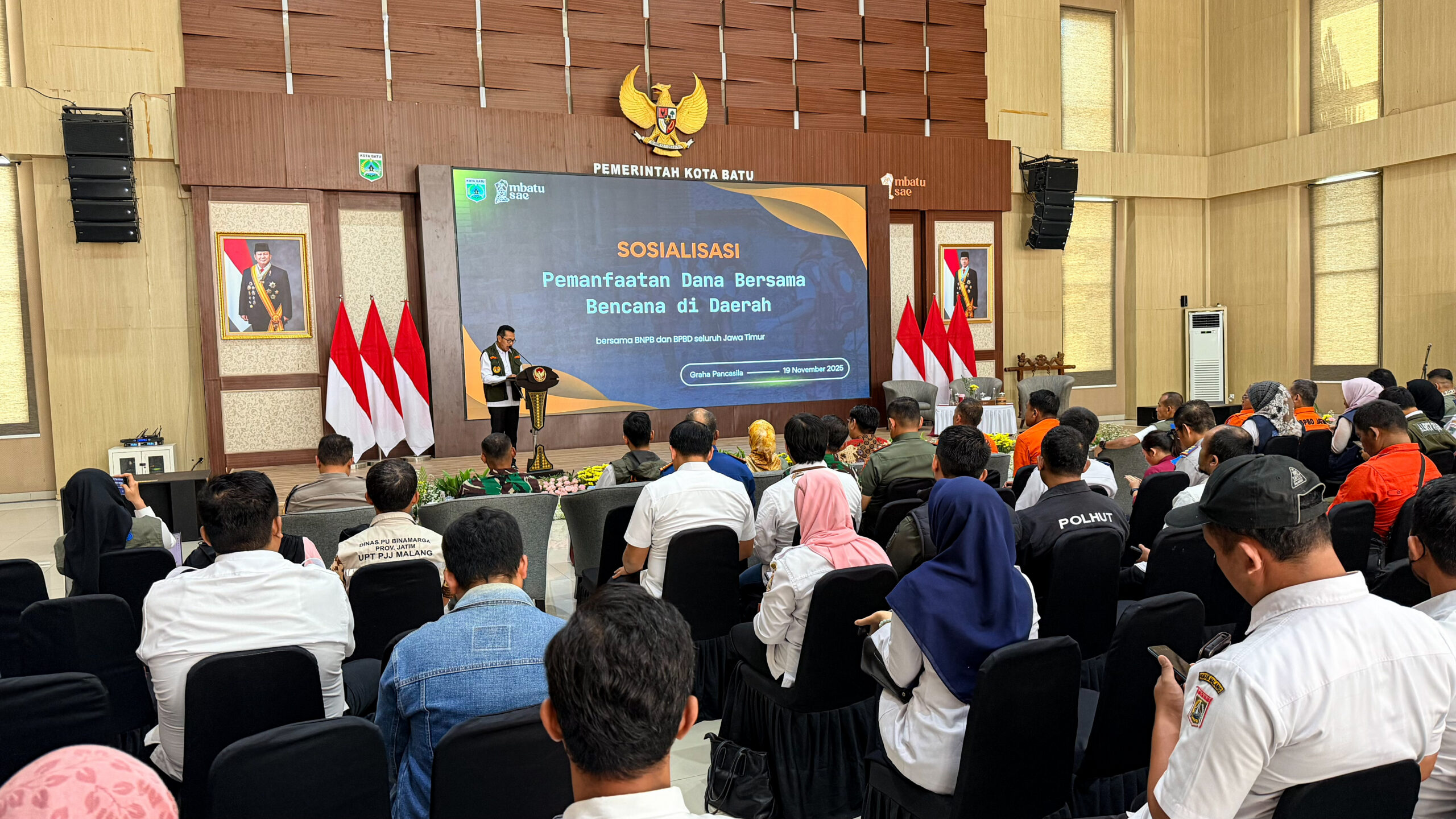
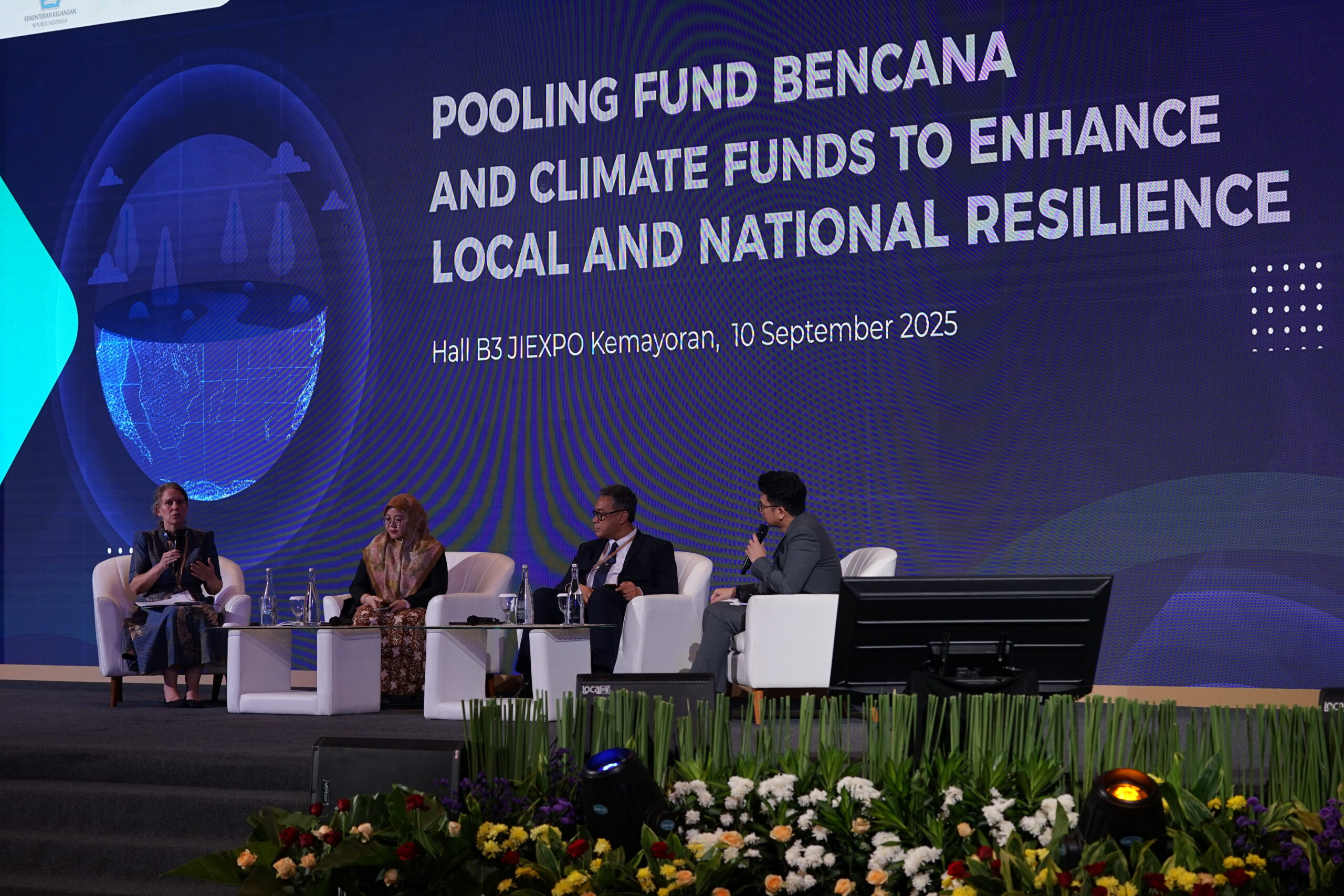
As a strategic measure, the Ministry of Finance developed the Disaster Risk Financing and Insurance (DRFI) framework in 2018. One of its key strategies was the establishment of the Disaster Pooling Fund (PFB). The PFB has been operational since 2022, serving as an instrument to mobilize and manage disaster risk financing in a more structured and planned manner. Its funding sources include the State Budget (APBN), grants, insurance claims, investment returns, partnerships, trust funds, and contributions from regional budgets (APBD). However, as of 2026, the PFB remains predominantly funded by the State Budget.
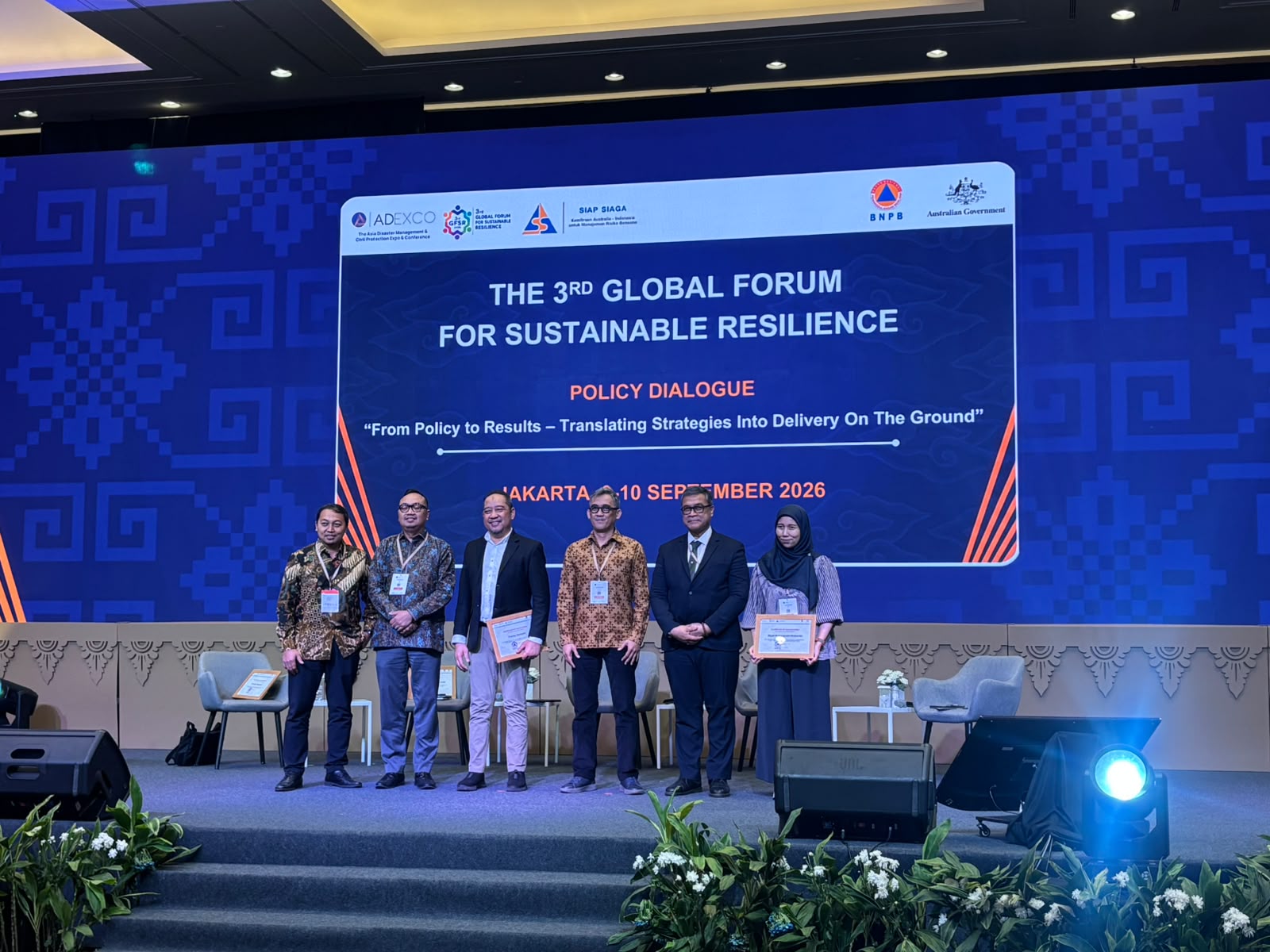
At The 3rd Global Forum for Sustainable Resilience (GFSR), held on September 9, 2026, Tri Achya Ngasuko emphasized the need to diversify the PFB’s funding sources by engaging regional governments through their regional budgets (APBD), while taking into account each region’s fiscal capacity. Diversifying funding sources is considered a key step toward strengthening disaster preparedness, response, and recovery at the regional level.
As of 2026, the PFB has successfully mobilized approximately IDR 8.3 trillion in funding from the State Budget. The funds are professionally managed by the Environmental Fund Management Agency (BPDLH), generating IDR 1.3 trillion in investment returns. These returns have been utilized to support pre- and post-disaster activities.
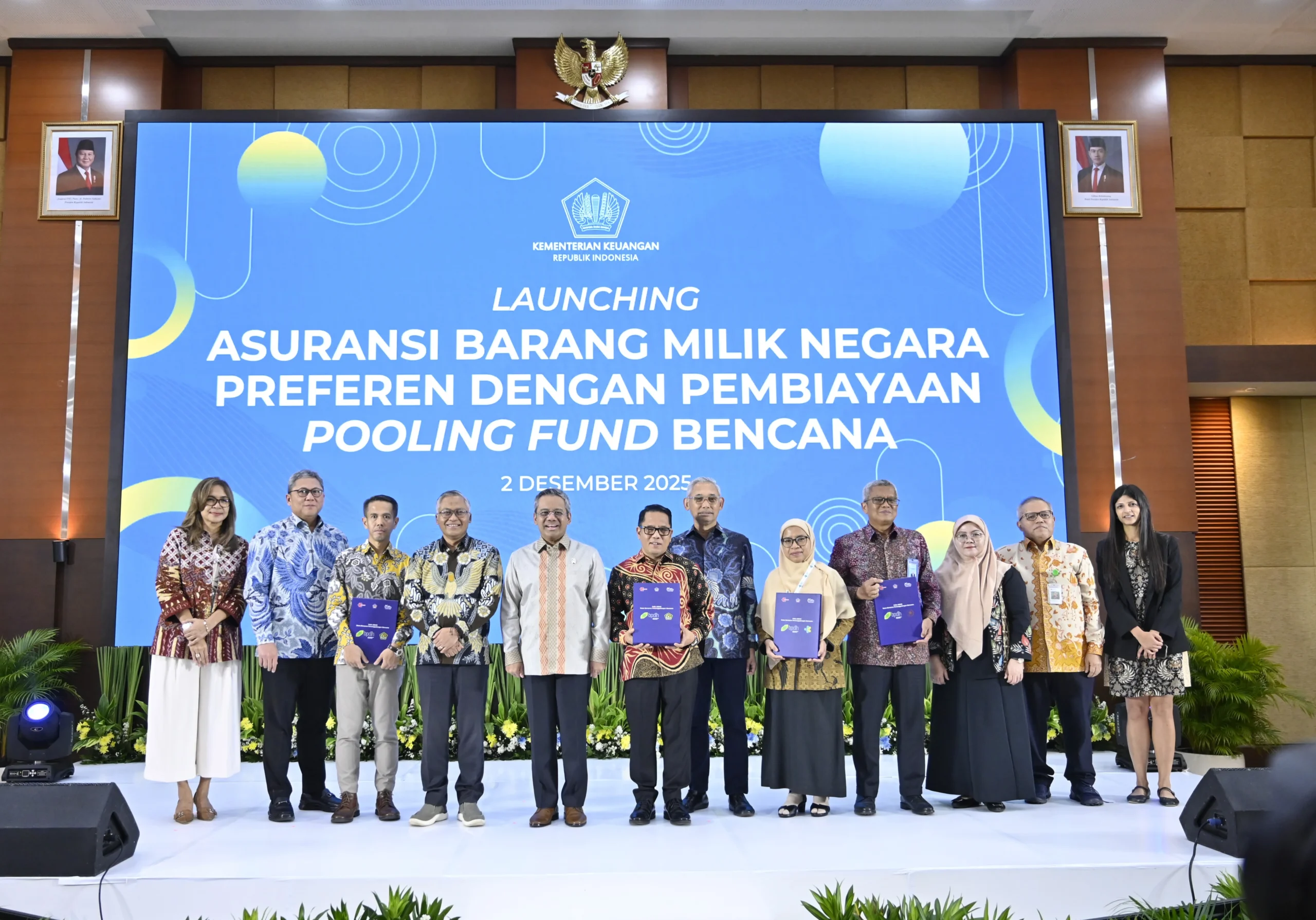
In 2025, a pre-disaster pilot project was implemented across four ministries, amounting to IDR 10.3 billion. In addition, insurance premiums for State-Owned Assets (ABMN) covering 23,717 assets across three ministries were paid, amounting to IDR 4.8 billion. In 2026, ABMN insurance premium payments continued, with premiums totaling IDR 29 billion.
Going forward, collaboration among the central government, regional governments, the private sector, and communities will be essential to building a resilient and sustainable disaster financing system. Through more structured financial management, the government seeks to strengthen its capacity to address disaster risks while minimizing their impact on public finances.