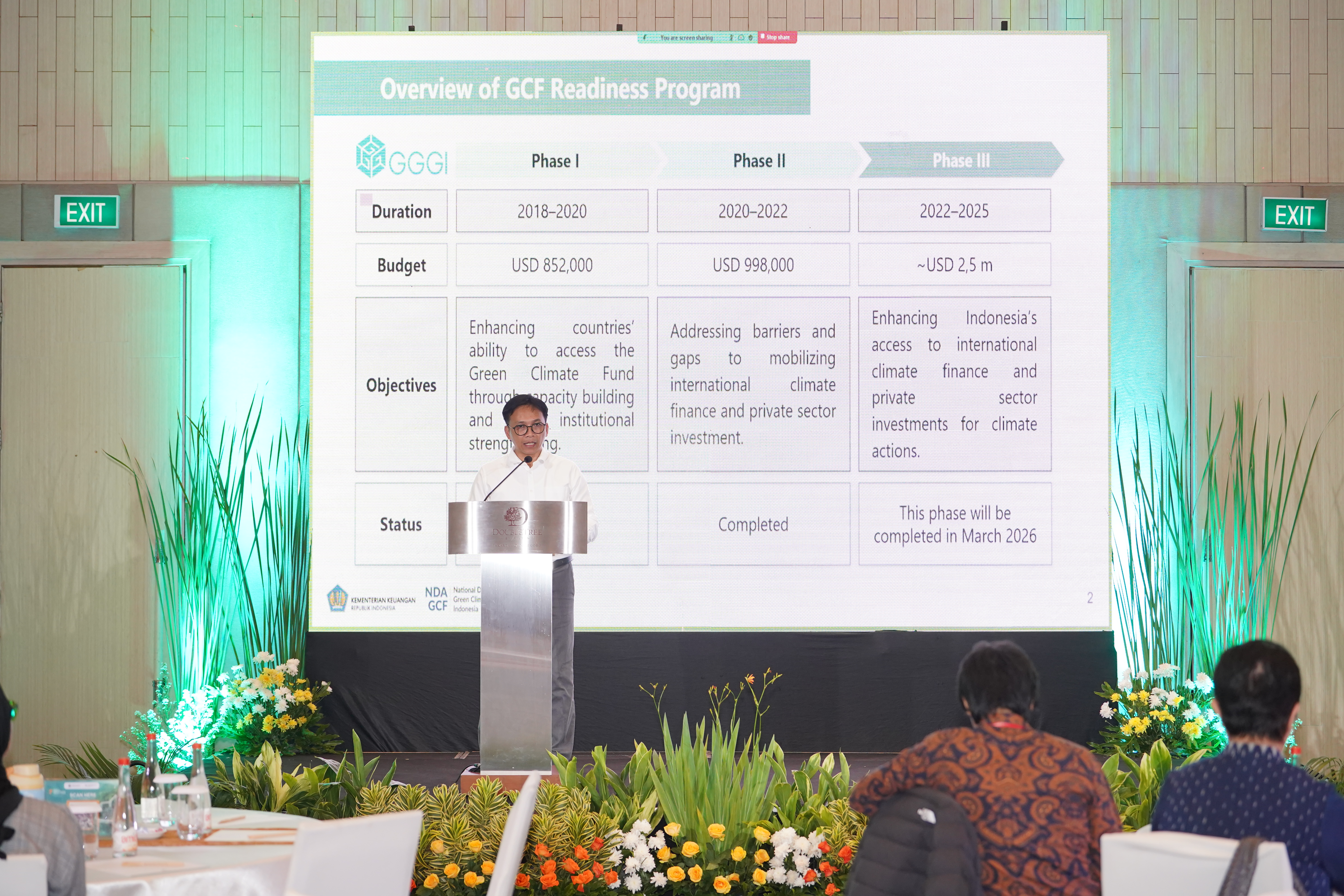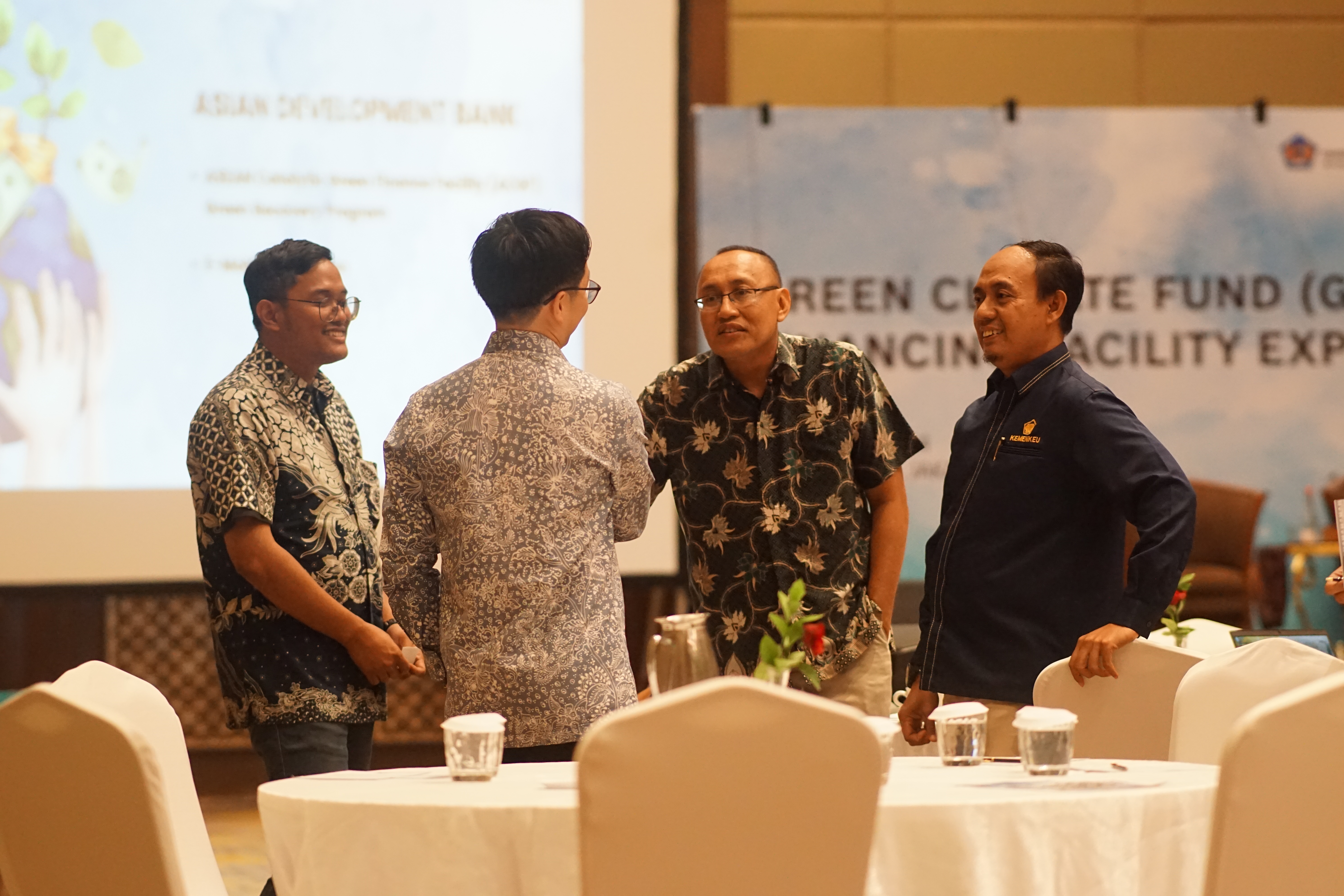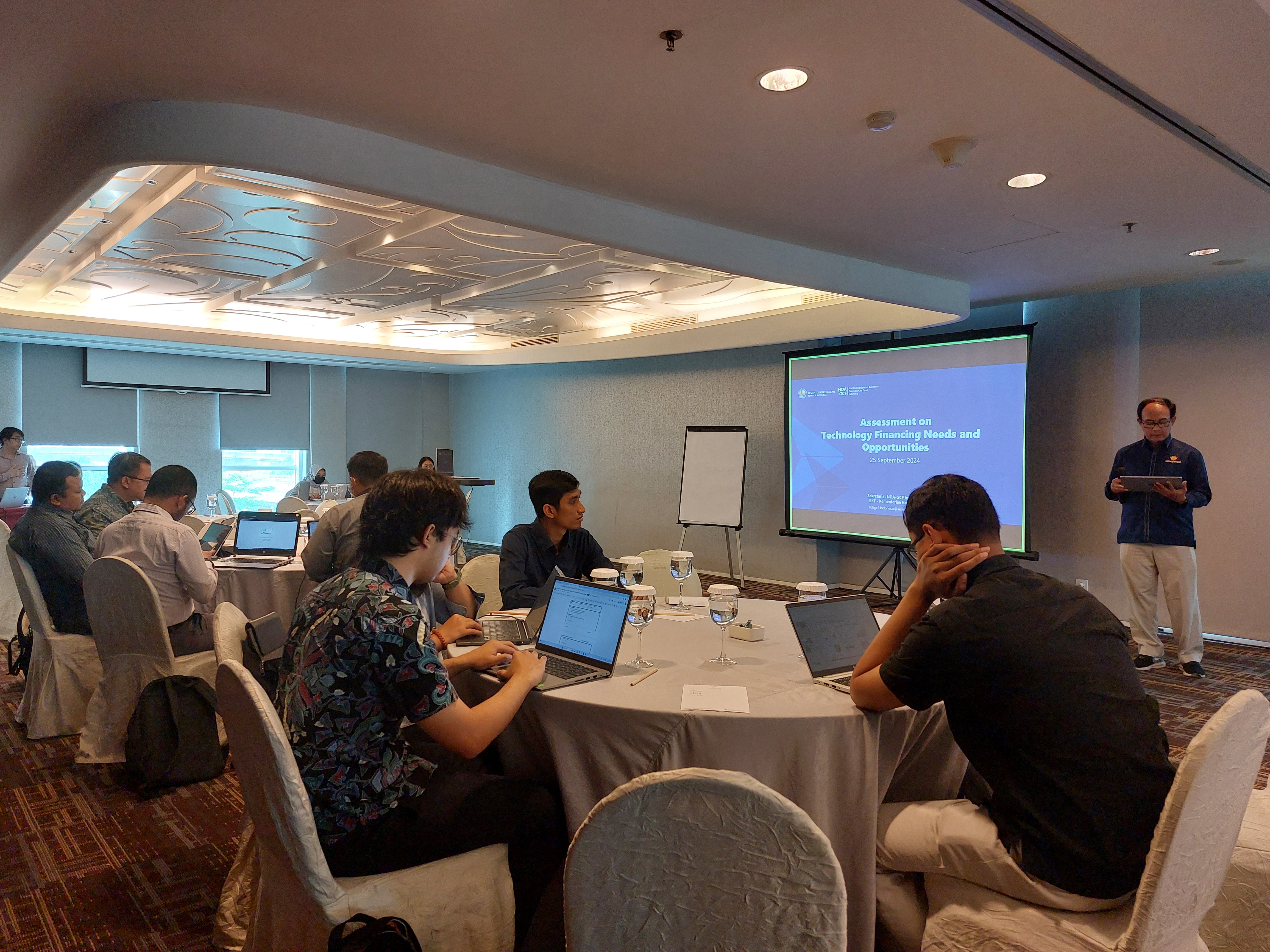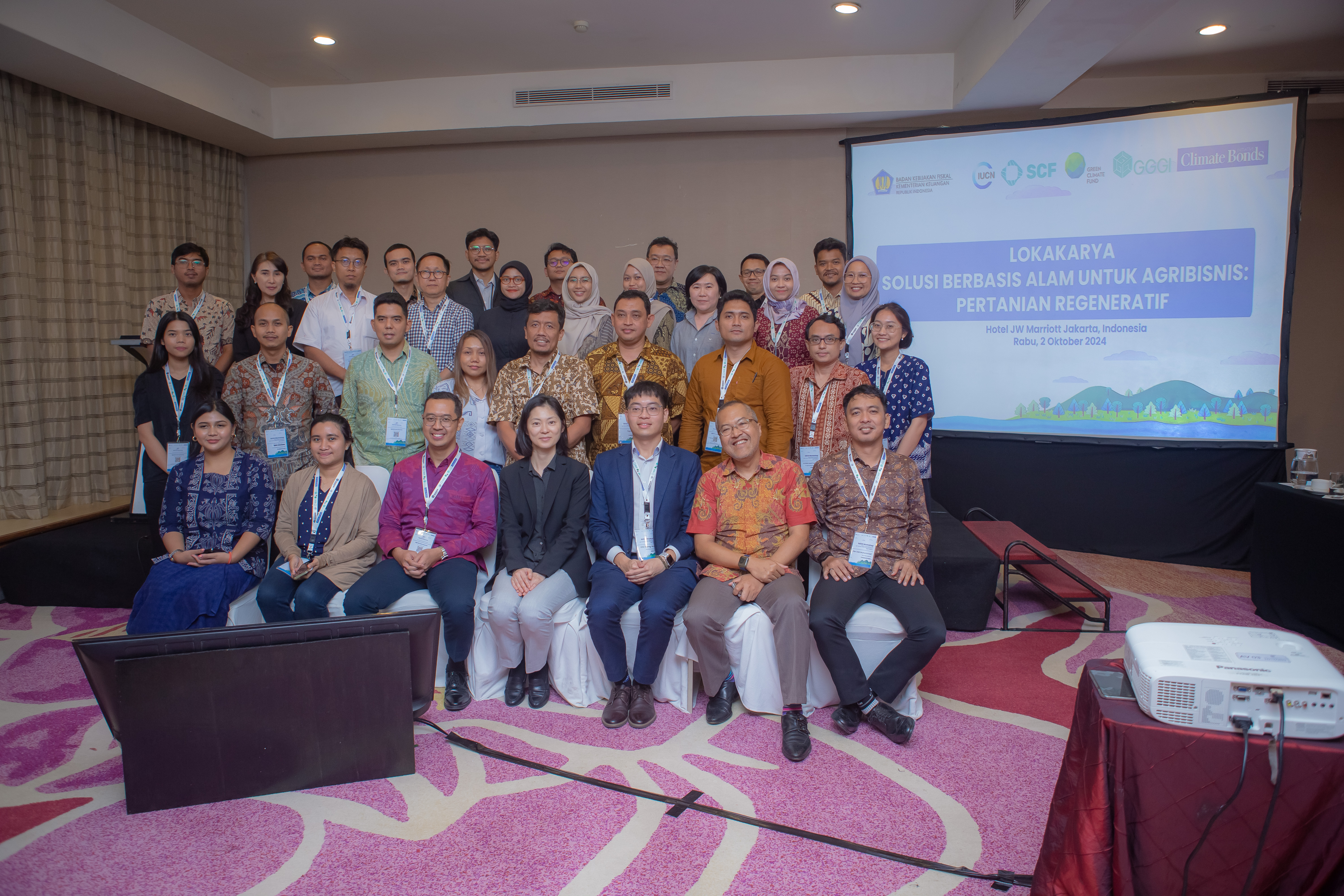
To reduce greenhouse gas emissions in accordance with the Paris Agreement, all countries, including Indonesia, have agreed to commit to climate action in realizing sustainable low-carbon development, an action to limit temperature increases to 1.5°C above pre-industrial levels. It takes a lot of funding to achieve this target, while public funding cannot be fully sufficient. Therefore, investment from the private sector is needed to close the financing gap in climate change action.
In 2020, Green Climate Fund the Green Climate Fund (GCF) approved a funding program, namely the Sub-National Climate Fund (SCF), which is also implemented in Indonesia. The SCF program aims to catalyze climate investment at the sub-national level, especially for climate solutions to support the achievement of national targets. One of the objectives and activities of the SCF Program is to increase the capacity of relevant stakeholders to understand the SCF funding model and other alternative sustainable funding models to fill the financial gap in facing the challenges of climate change in Indonesia.
Therefore, as part of the SnCF program, the International Union for Conservation of Nature (IUCN) and the Climate Bonds Initiative in collaboration with the Fiscal Policy Agency (BKF) as the NDA GCF Indonesia supported by the Global Green Growth Institute (GGGI) held a series of workshop activities aimed at strengthening the capacity of national stakeholders in addressing climate challenges, especially for local governments. companies engaged in the agribusiness sector, as well as financial institutions. This activity was held for four days, from September 30 to October 3, 2024, at the JW Mariott Hotel Jakarta.
The first workshop entitled “Attracting Climate and Nature-Based Finance for Local Governments” The first workshop entitled "Attracting Climate and Nature-Based Financing for Local Governments" lasted for two days, namely on September 30 and October 1, 2024. The workshop focused on topics related to sustainable financing opportunities and options accessible to local governments to support climate and nature-based programs in each region. The activity was opened by Mr. Boby Hernawan as the Head of the Center for Climate Change and Multilateral Financing Policy (PKPPIM), Fiscal Policy Agency (BKF) of the Ministry of Finance. In his remarks, he emphasized that the Regional Government (Pemda) has a strategic position to contribute to facing climate challenges. Collaboration between local governments, Regionally Owned Enterprises (BUMD), and also the private sector must be strengthened to make this happen.
Sub-national governments – local and provincial governments – are in a strategic position to implement climate efforts. However, they often encounter challenges in accessing financing, especially from the private sector. Collaboration between sub-national governments, including Regionally Owned Enterprises (BUMDs), and the private sector has great potential for the future. – Boby Hernawan, Head of the PKPPIM, FPA
The training in this series of workshops was packaged in an interactive format. In addition to topics related to sustainable financing, in this first workshop, participants from the local government were also invited to learn more about Nature Based Solution (NbS) as a solution to urban problems which is important in handling climate change. Participants were encouraged to discuss ideas for developing NbS projects in their cities, to attract sustainable financing opportunities.
The second workshop entitled "Nature-Based Solutions for Agribusiness: Regenerative Agriculture", which focused more deeply on the agribusiness sector (one of the sectors that applies the NBS approach) which also supports food security in developing countries, and has great potential impacts related to mitigation, adaptation, nature restoration and job creation. The agricultural sector is included in the priority sector in efforts to handle climate change. The sector is responsible for 31% of global greenhouse gas emissions, resulting in nearly 90% of global deforestation each year*. In this workshop, participants from agribusiness project owners and financial institutions were invited to understand more deeply related to regenerative agriculture.
Then, in the last workshop entitled "ESG Impact and Risk Management in Nature and Climate-based Investments", the participants were mostly from financial institutions, who were then invited to identify Environmental, Social, Governance (ESG) issues. In this workshop session, there was a discussion on how to integrate ESG issues into financial institutions, their potential impact on their sector, and how to address these issues. It is hoped that the understanding and application of ESG can encourage private sector involvement in increasing nature and climate-based investment. In this final workshop, the representative from the Financial Services Authority, Mr. Jarot Sutoyo, also provided an introductory presentation from the regulatory side explaining the Sustainable Finance Taxonomy, as a key concept in the sustainability of ESG practices in Indonesia.
This series of workshop activities is an important step in supporting national and sub-national efforts to face the challenge of climate change. By involving various stakeholders ranging from local governments, the private sector, to financial institutions, this activity is expected to increase understanding and capacity in designing sustainable projects as well as accessing green financing and applying ESG principles in various sectors, which has a positive impact on climate change mitigation and adaptation efforts in Indonesia.

 EN
EN  ID
ID