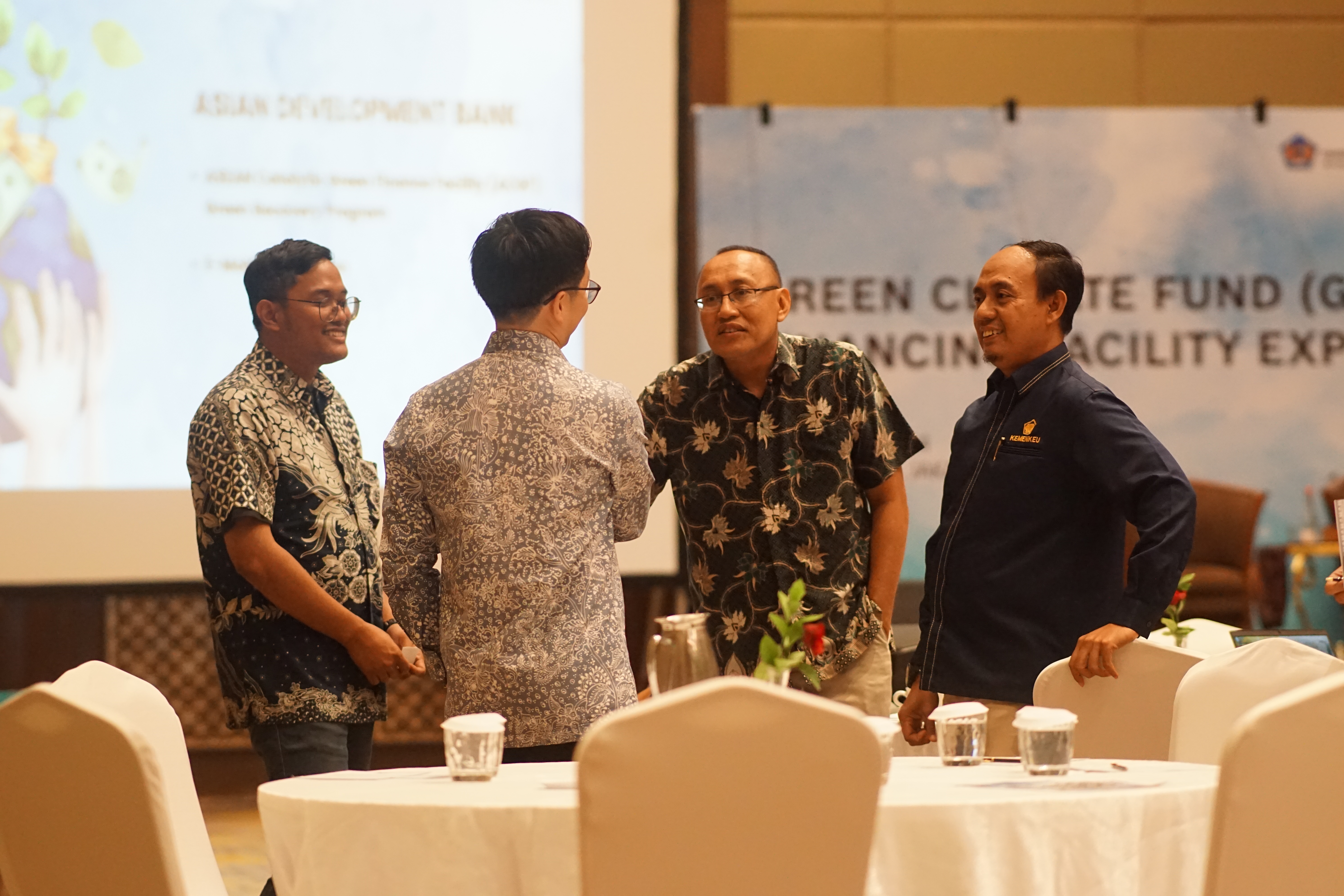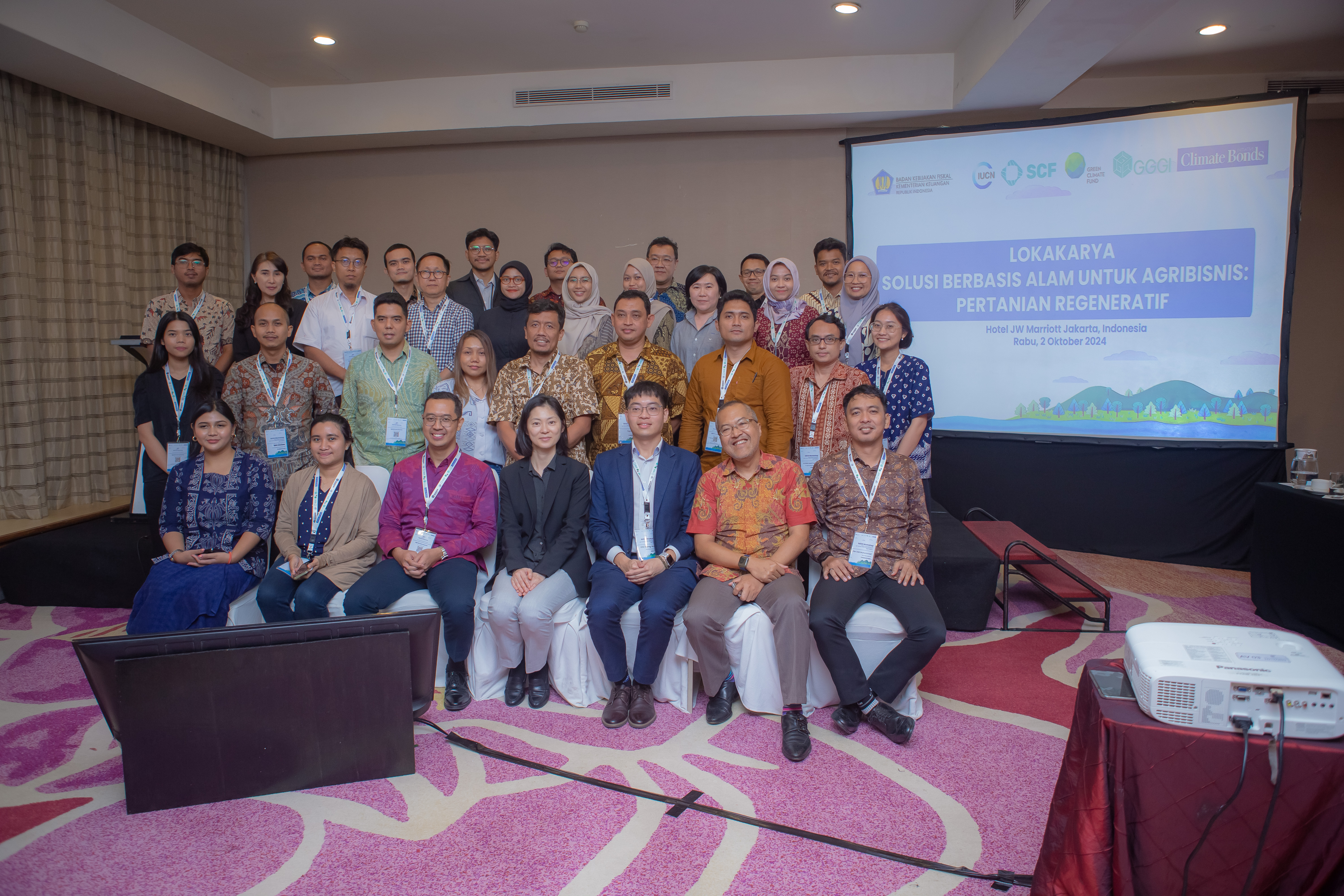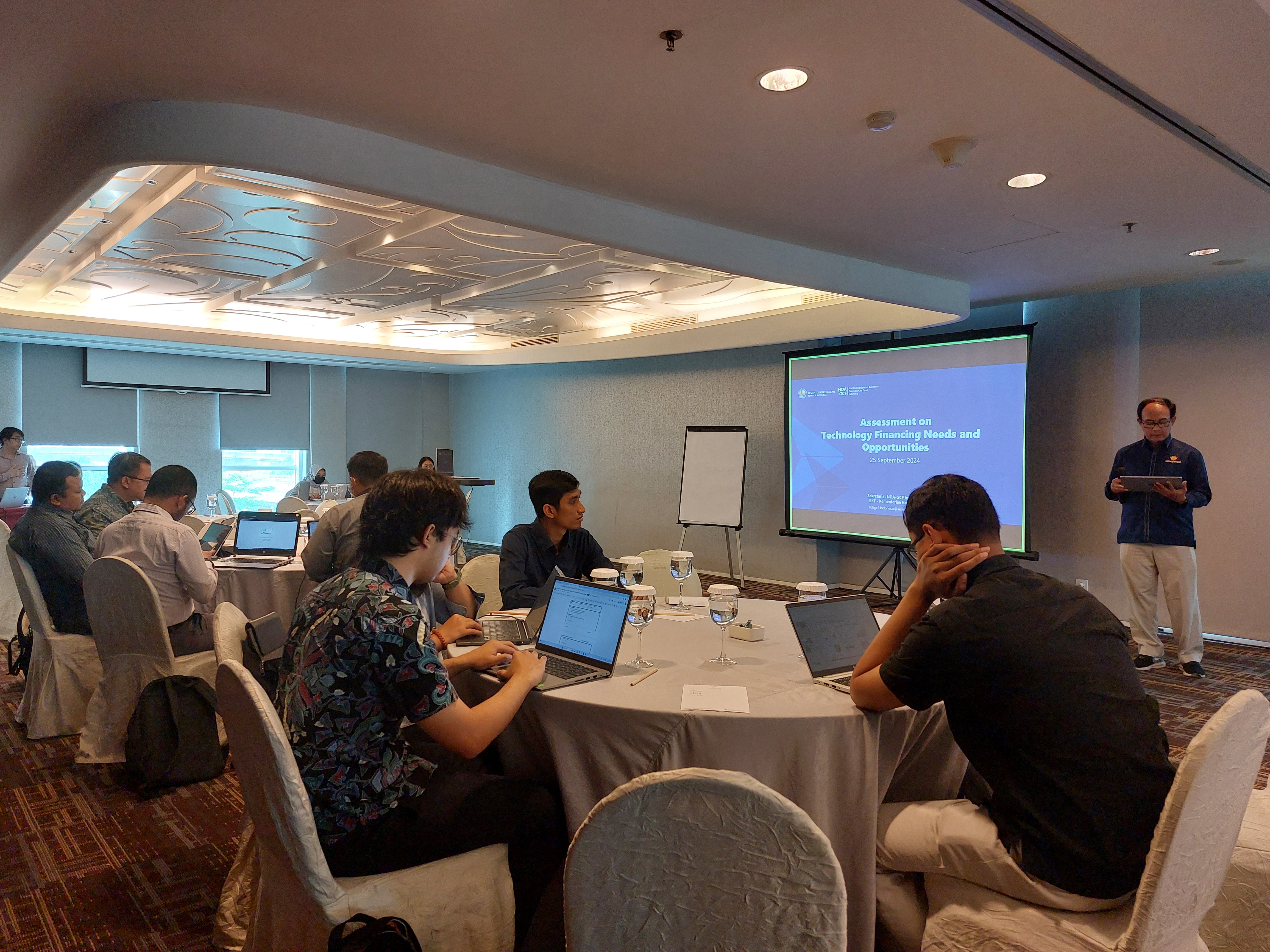
Jakarta, Indonesia, 12 February 2026 – Strengthening institutional readiness and ensuring effective country ownership remain central to Indonesia’s engagement with the Green Climate Fund (GCF). To advance this objective, the National Designated Authority for the Green Climate Fund in Indonesia (NDA GCF Indonesia), under the Ministry of Finance of the Republic of Indonesia, convened the 7th Annual Participatory Review (APR) Forum in Jakarta, with technical support from the Global Green Growth Institute (GGGI).
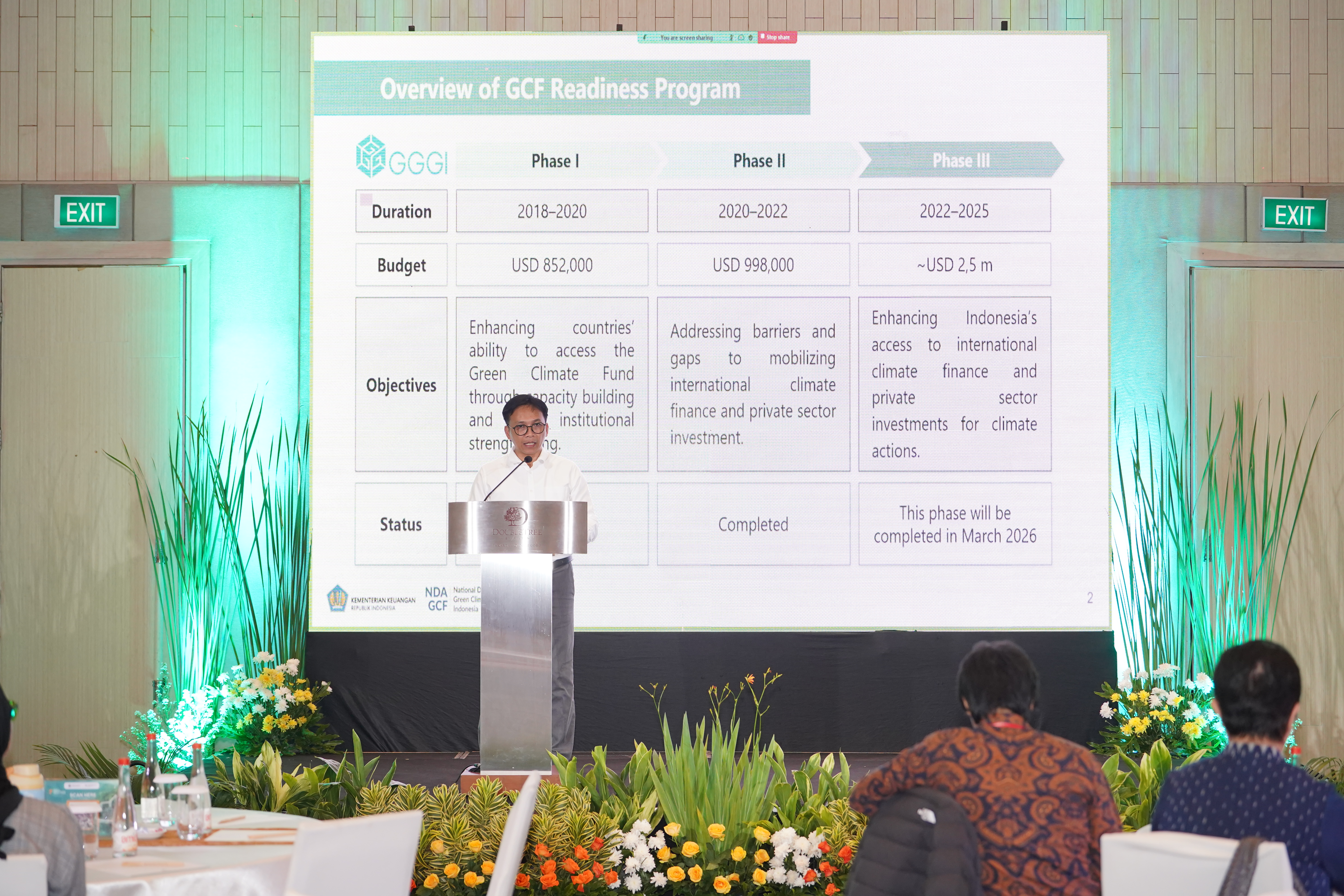
The forum marked a critical milestone as Indonesia enters the final phase of the GCF Readiness and Preparatory Support Programme Phase III (September 2022–March 2026). It brought together government institutions, Direct Access Entities (DAEs), Accredited Entities (AEs), development partners, civil society organizations, and private sector representatives to reflect on progress, share lessons learned, and identify priorities for strengthening Indonesia’s climate finance ecosystem. The forum also served as a platform to showcase the NDA GCF Indonesia’s knowledge products and publications developed under the GCF Readiness Programme.
Strengthening Country Ownership and Institutional Coordination
Opening the forum, Irwan Darmawan, Policy Analyst at the Directorate General of Financial Sector Stability and Development, Ministry of Finance, and Head of the Technical Team of NDA GCF Indonesia Secretariat, emphasized that the APR plays a strategic role in strengthening transparency, accountability, and coordination in climate finance governance.
“The Annual Participatory Review is not merely a reporting exercise. It is a space for collective reflection—where we assess what has worked, acknowledge remaining gaps, and strengthen coordination among stakeholders to ensure that GCF support delivers real impact in line with Indonesia’s national priorities,” he stated.
He further highlighted that Readiness Phase III has contributed to improved stakeholder understanding of the GCF project cycle, stronger institutional capacity, and better-quality concept notes and funding proposals submitted through the NDA mechanism.
Institutional Perspectives from the Panel Discussion
The panel discussion featured representatives from national and subnational institutions engaged in climate finance implementation and project development. Panelists included Yenny, Head of the Environmental Management and Supervision Division at the Provincial Government of West Kalimantan; Endah Tri Kurniawaty, Director of Fundraising and Fund Development at the Indonesian Environment Fund, Ministry of Finance; Dhini Dwi Kurniasuci, Portfolio Management Specialist at PT Indonesia Infrastructure Finance (IIF); and Nurina Widagdo, Executive Director of Partnership for Government Reform (KEMITRAAN).
Panelists shared institutional experiences across the GCF project cycle—from concept note development and accreditation processes to project implementation, key opportunities, and coordination challenges. The discussion underscored the importance of sustained facilitation by NDA GCF Indonesia Secretariat, early-stage technical support, stronger coordination among stakeholders, as well as alignment with national and subnational priorities to strengthen proposal readiness and implementation effectiveness.
Addressing Persistent Challenges in Accessing Climate Finance
Addressing Persistent Challenges in Accessing Climate Finance
Despite progress in strengthening Indonesia’s climate finance readiness, institutions engaging with the GCF continue to face persistent challenges. These include complex procedural and safeguard requirements, long and often uncertain project preparation timelines, and limited technical capacity, particularly at the subnational level and among non-profit entities. Panelists emphasized the need for more realistic and strategic pipeline management in light of the GCF’s limited processing capacity and evolving requirements, as well as the importance of early-stage technical support, clearer prioritization of proposals, and sustained facilitation by NDA GCF Indonesia to improve proposal readiness and implementation effectiveness.
Strengthening Knowledge for Scalable Impact
The forum also featured a Knowledge Product Showcase, presenting tools and guidance developed under Readiness Phase III to support long-term and institutionalized capacity building. These included practical guides for GCF concept notes and funding proposal preparation, sectoral reference materials aligned with national priorities, and self-assessment tools to help institutions evaluate readiness and project alignment.
Supported by GGGI, these knowledge products aim to reduce reliance on one-off training, improve proposal quality, and provide accessible references for both national and subnational stakeholders engaging with climate finance.
During the discussion, it was highlighted that NDA GCF Indonesia Secretariat will continue to guide project proponents toward national reference documents and priority sectors, including through the development of the Country Programme Document (CPD). Looking ahead, NDA GCF Indonesia, together with its partners, will prioritize capacity strengthening, climate data development, closing cross-sectoral gaps, and the development of a Climate Finance Dashboard to enhance transparency and coordination.
Looking Ahead
As Readiness Phase III approaches its conclusion in March 2026, discussions on the 7th of APR Forum reaffirmed the importance of moving toward a more integrated and sustainable climate finance ecosystem—one that strengthens national ownership, enhances coordination across institutions, and enables a broader range of actors to access international climate finance.
Through continued leadership by NDA GCF Indonesia Secretariat, with support from GGGI, Indonesia remains committed to ensuring that climate finance readiness translates into high-quality investments that support the country’s climate targets and long-term sustainable development agenda.

 ID
ID  EN
EN